
A groom may not think of a wedding tie as an important thing, though it can still contribute significantly to the overall appearance of a groom. The right tie provides balance, personality, and polish, whereas the wrong one will ruin the lifetime photos. Having so many styles of ties, fabrics, and fits, it may seem complicated when deciding on wedding ties for a groom who is not used to wearing suits.
The trick is to know some basics instead of considering the trends. The perfect tie depends on the wedding venue, time of the year, the type of suits you wear, and the theme of the wedding. When you have an idea of the styles and fabrics of various ties, it is much easier to make a choice. In this guide, we will simplify the process of choosing wedding ties.
Wedding Ties Styles
The following are the types of wedding ties that grooms can choose from according to their wedding theme:
Neckties: The most popular one is the classic necktie, which is worn during the wedding. It is suitable for formal and semi-formal events. There are also a variety of neckties that are available in terms of width and design; they are easy to wear with various styles of suits.
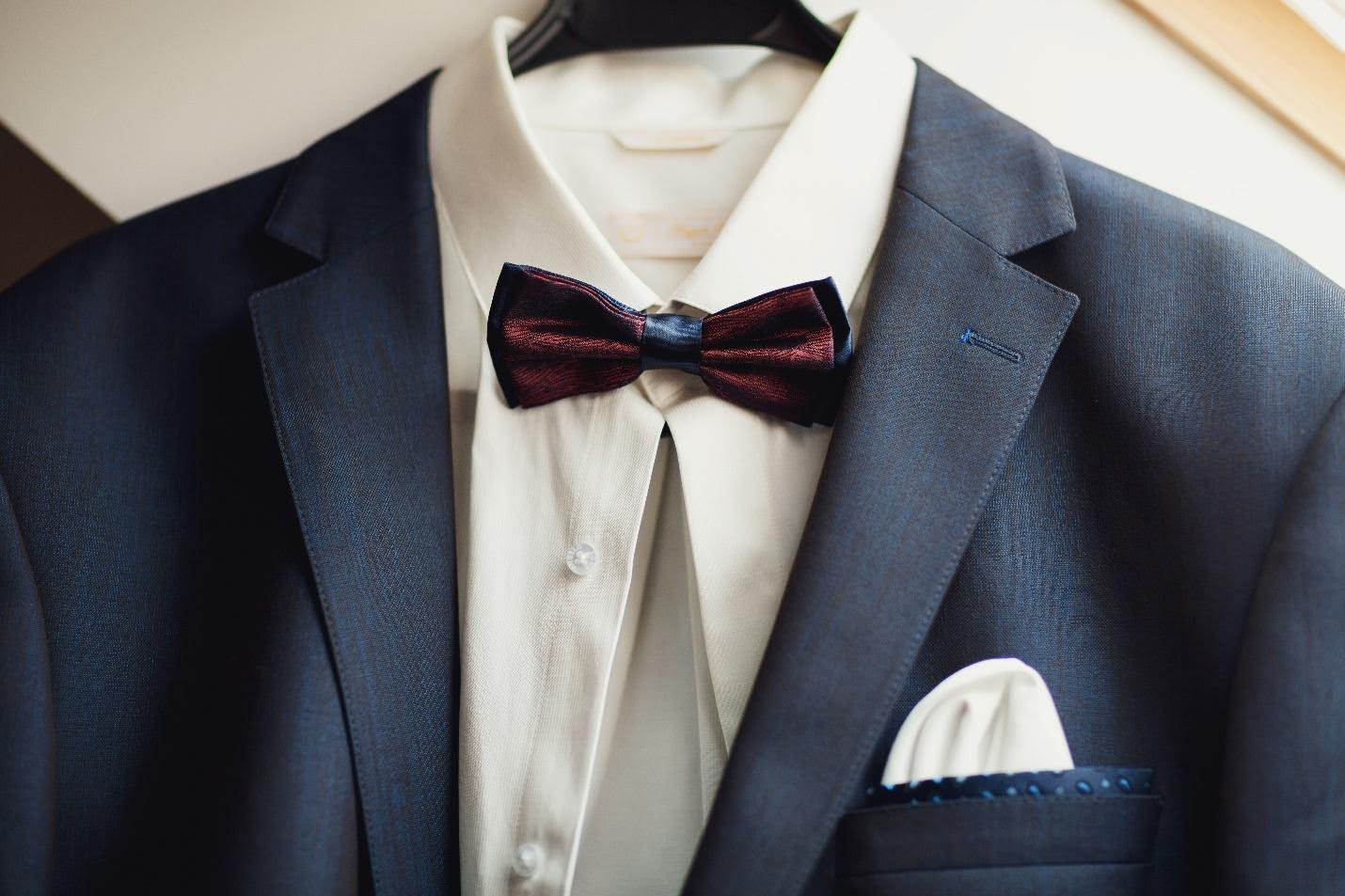
Bow Ties: Bow ties contribute an element of formal or fun, depending on the design. They can be used on black-tie weddings, but can also be utilized on vintage or rustic themes. A proper bow tie is also a great addition to a character that does not overwhelm the clothes.
Slim Ties: Minimal wedding ties are contemporary and clean. They go together with custom suits and wide lapels. They are stylish, but they complement a smooth and simple outfit.
Cravats and Ascots: Rarer, yet equally fashionable, cravats and ascots are worn at a traditional or formal daytime wedding. They are more likely to be used in traditional or European-style ceremonies.
Types of Ties Fabrics
Fabric can also influence the appearance, touch, and touch of wedding ties. It should be selected based on the formality of the occasion and the time of the year to choose the perfect one.
Silk: Wedding ties are most commonly done with silk. It is smooth and can be used in formal and evening weddings. Silk also looks good in pictures and in various light settings.
Cotton and Linen: These are casual and lightweight fabrics. They are ideal for outdoor, summer, or rustic weddings. Wedding ties made of cotton and linen are very comfortable and natural, particularly during hot weather.
Wool and Blends: Wool ties are also suitable during the fall and winter weddings. They are a good fit with tweed or heavier suits and add a bit of texture and warmth.
Getting the Right Fit
A well-fitted tie is equally important as the style and fabric. Even a well-dressed outfit can be spoiled by an ill-fitting tie. Tie is to be the same as the suit’s lapels. Wider lapels can be worn with standard-width ties, whereas narrow lapels should be worn with very skinny ties. Length matters too. The end of the tie should be at the middle of the belt buckle.