
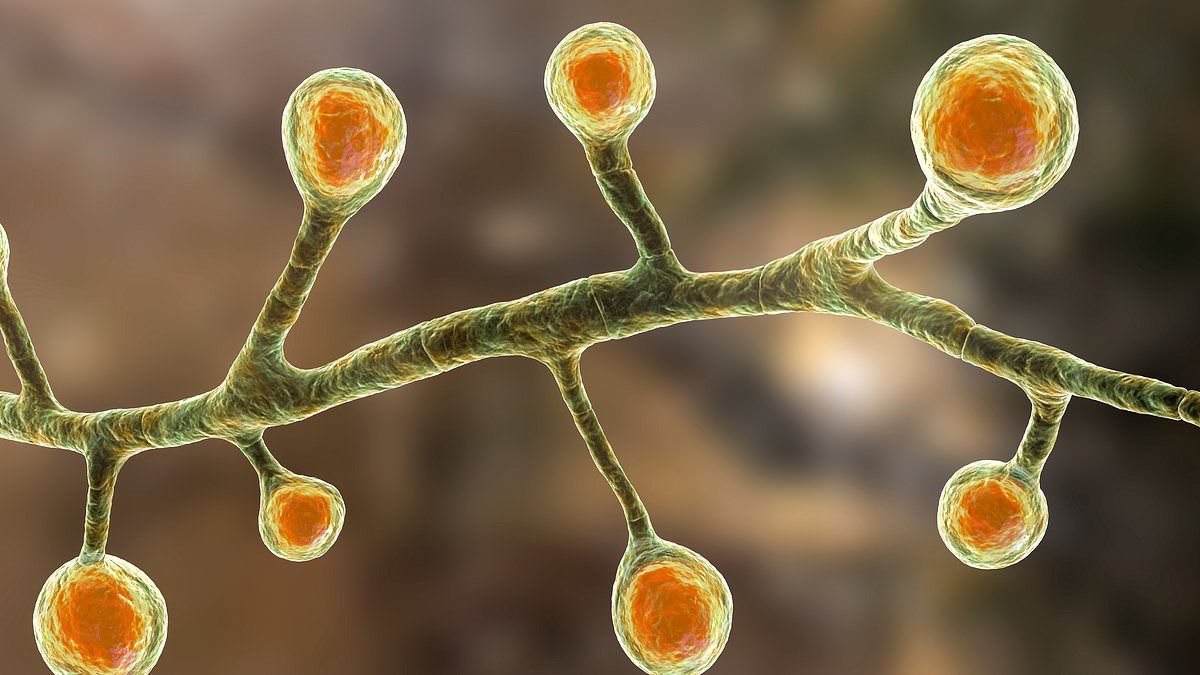

Fungal infections are often underestimated in public health discussions. While bacterial and viral illnesses get most attention, fungi quietly affect millions worldwide. From mild skin irritations to life-threatening systemic infections, these pathogens can impact anyone. Awareness and early action are critical. Understanding the importance of accurate detection can save lives and reduce healthcare costs. Communities must recognize that fungal infections are not just minor ailments but a pressing health challenge.
The Role of Diagnostic For Fungal Infections in Early Detection
Diagnostic for fungal infections refers to the medical tests and procedures used to identify fungal pathogens in the body. Accurate diagnosis allows healthcare providers to start treatment promptly. Early detection prevents complications and stops infections from spreading in vulnerable populations. Hospitals and clinics rely on precise diagnostic for fungal infections to manage outbreaks efficiently. Without proper testing, fungal infections may be misdiagnosed, leading to ineffective treatments and prolonged suffering for patients.
Improving Patient Outcomes Through Timely Testing
Timely and precise diagnostic for fungal infections significantly improves patient outcomes. Infections like candidiasis or aspergillosis can become severe if treatment is delayed. Patients with weakened immune systems are particularly at risk. Quick identification ensures the right antifungal medications are administered. This not only speeds recovery but also reduces hospital stays and lowers the chances of resistance developing. Every day counts when fighting fungal infections, and accurate testing is the frontline defense.
Preventing Widespread Transmission in Communities
Fungal infections can spread quickly in certain environments, especially among high-risk groups. Accurate diagnostic for fungal infections plays a key role in controlling outbreaks. Identifying carriers and infected individuals early helps public health officials implement containment measures. Schools, nursing homes, and hospitals benefit from proactive testing programs. Reducing transmission protects not only those directly affected but also the wider community, highlighting the broader public health value of diagnostics.
Guiding Effective Treatment Strategies
Treatment of fungal infections depends heavily on knowing the exact pathogen. Diagnostic for fungal infections informs clinicians which drugs will work best. Some fungi resist common antifungal medications, making precise identification critical. Tailored treatments reduce unnecessary drug use and minimize side effects. Accurate diagnosis ensures patients receive targeted care, improving recovery rates and preventing recurrence. Public health strategies also benefit, as resources are allocated more effectively when infections are clearly understood.
Challenges in Accessing Reliable Diagnostics
Despite their importance, access to accurate diagnostic for fungal infections is uneven globally. Many regions lack proper laboratory infrastructure or trained personnel. Delays and misdiagnoses are common in low-resource settings, worsening outcomes. Public health initiatives must prioritize improving diagnostic availability. Investments in technology, training, and awareness campaigns can bridge these gaps. Reliable testing is not just a medical concern—it is a social responsibility.
Conclusion
Accurate diagnostic for fungal infections is vital for both individual health and public safety. Early detection, timely treatment, and effective prevention all rely on precise testing. As fungal infections continue to rise, communities cannot afford to ignore their impact. Strengthening diagnostic capabilities benefits patients, healthcare systems, and society at large.